
Dacia was a region in present-day Romania during pre-Christian times and home to the Dacian people. It was conquered by the Romans in the first century and incorporated into the Roman Empire as the Imperial Province of “Dacia.”
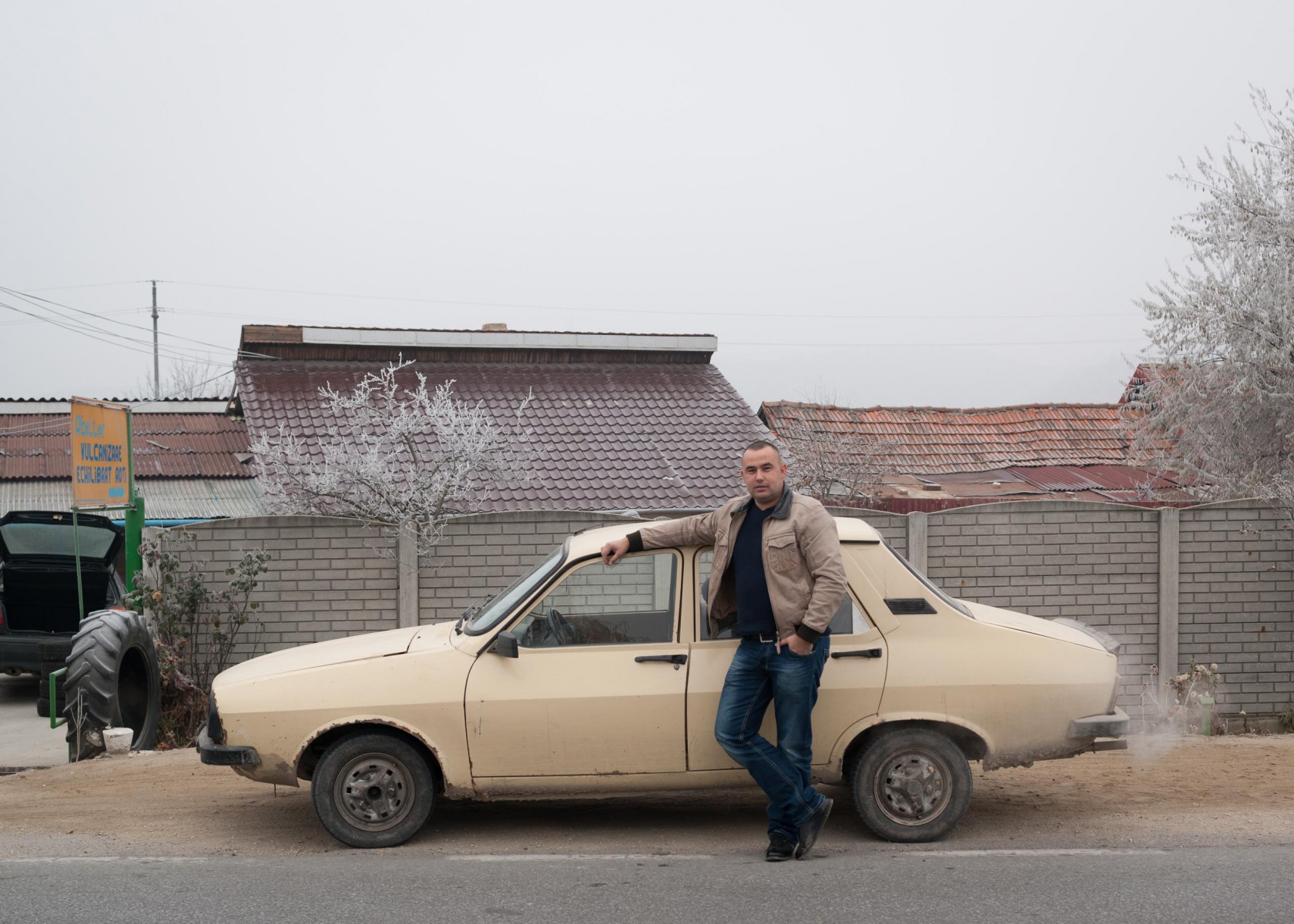
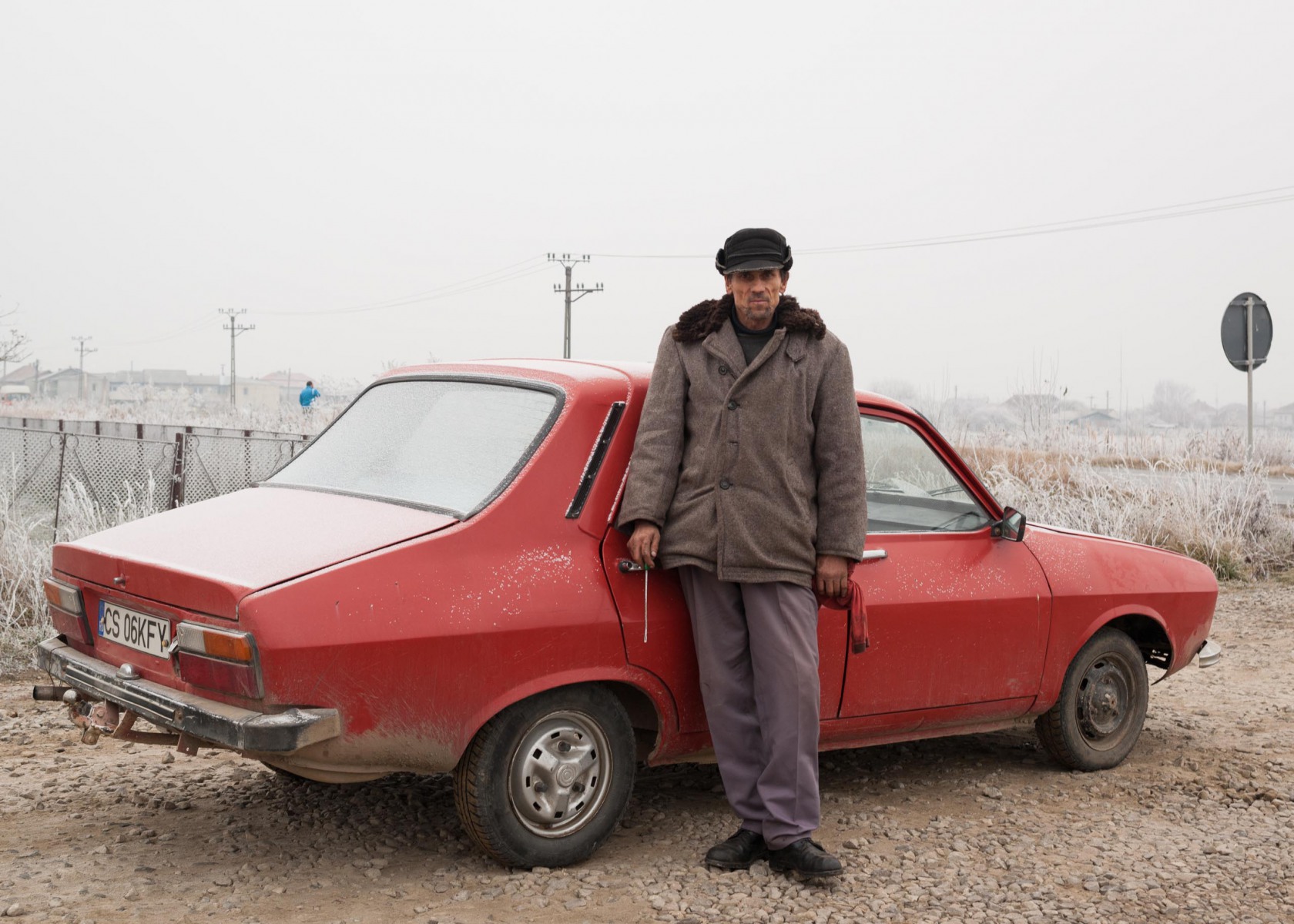
This name was given to the automobile that dominated Romania’s streets during the socialist-communist era, which was nothing more than a licensed copy of the Renault 12, manufactured in Pitești from 1969. In the 1980s, a remarkable 90% of all passenger cars on Romania’s roads were Dacias. The vehicle became a symbol of apparent equality in socialist society – an equality that was also manifested in the long waiting periods of up to three years that one had to endure to acquire a new car.
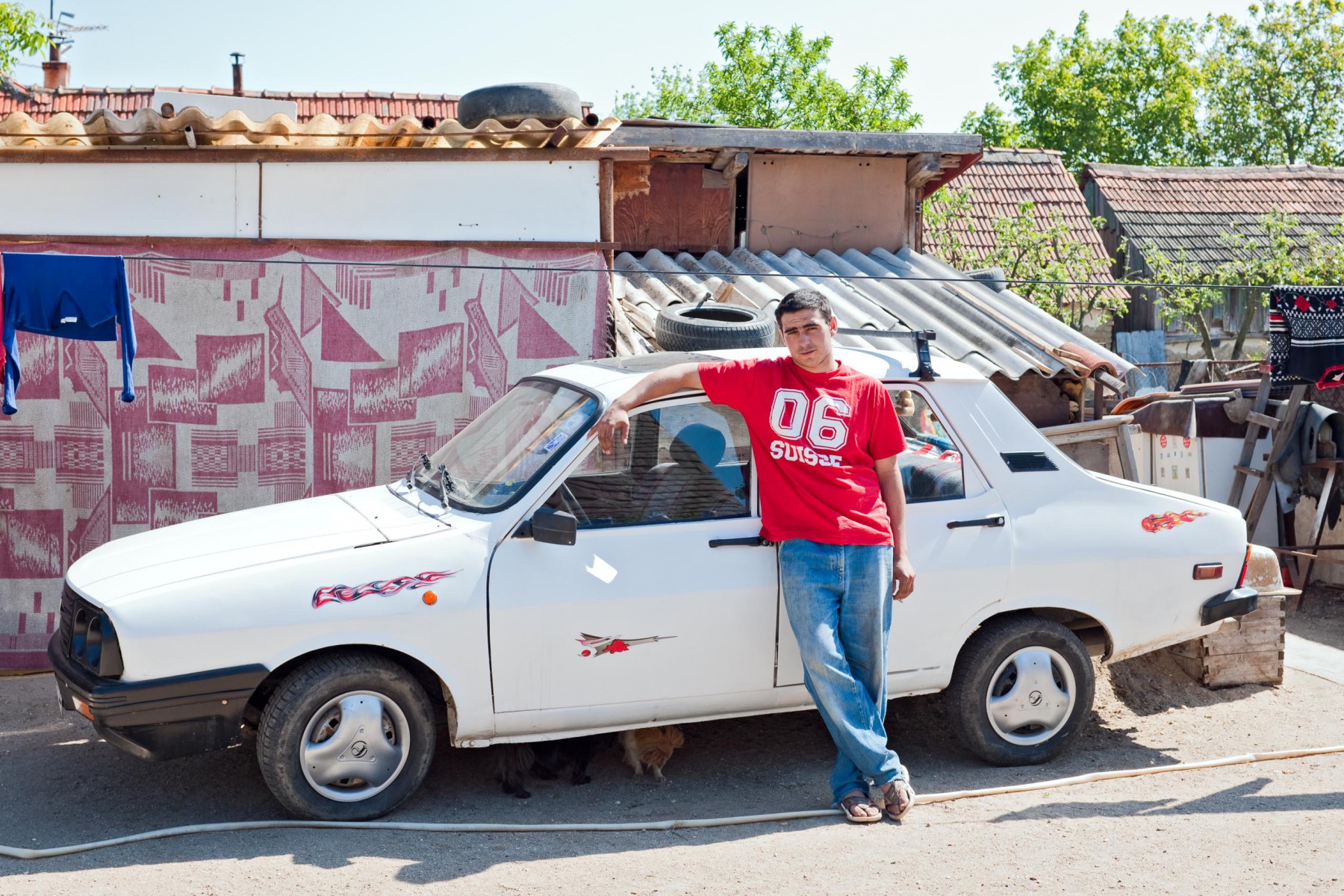
Of course, my parents also owned a Dacia. When it was sold after four or five years, another Dacia inevitably followed – only the color of the bodywork and interior seats offered variety: sometimes white, sometimes dark green, sometimes butter yellow or red. After the purchase, the loving personalization always began: A Western car radio was installed, the bodywork decorated with selected Western decals, and a cross or Jesus figure was usually found on the rearview mirror. Our special pride was a mascot that my father had brought from the West in the 70s, which adorned several of our Dacias in succession. These personal details were what ultimately distinguished the Dacias from one another.
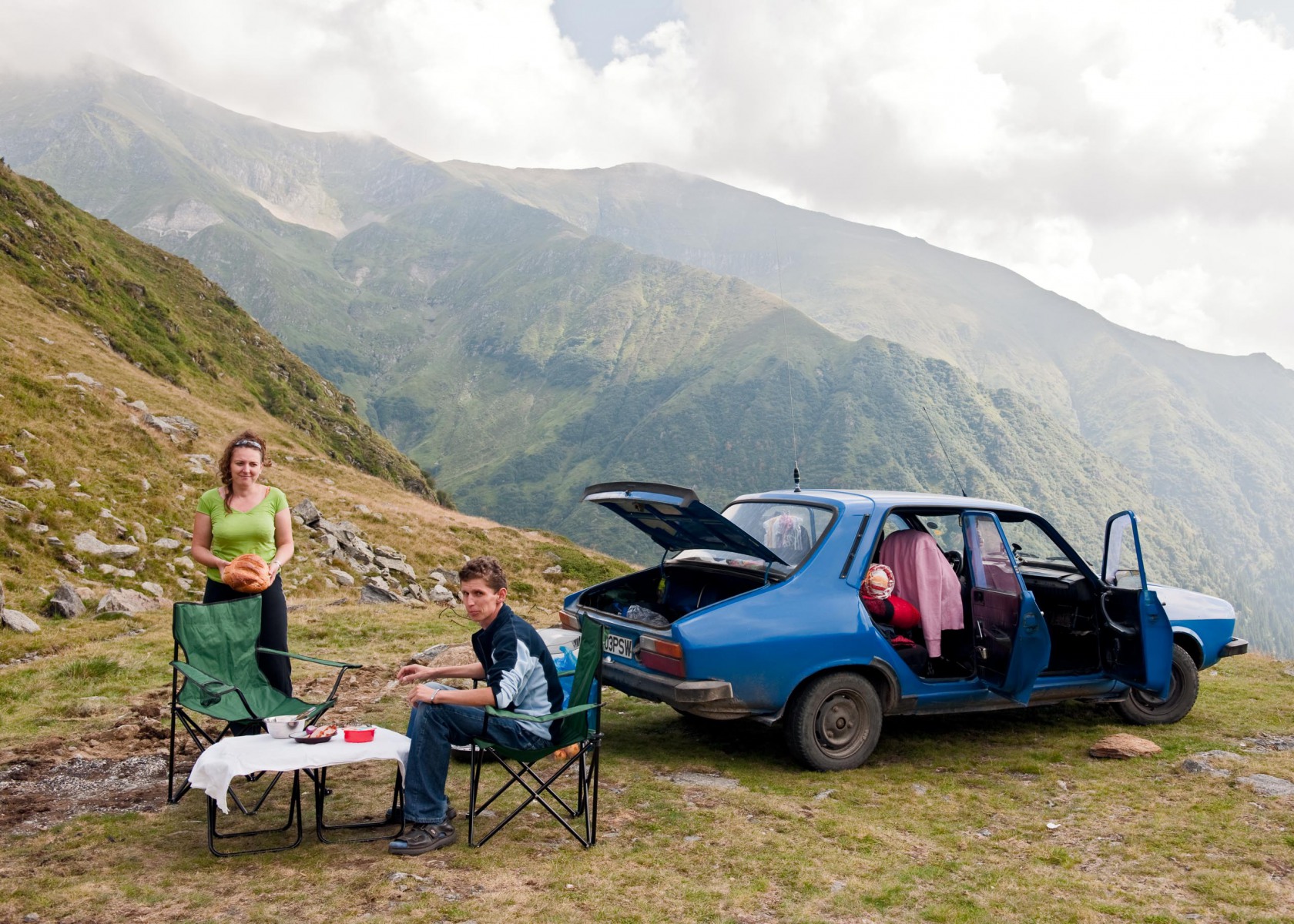
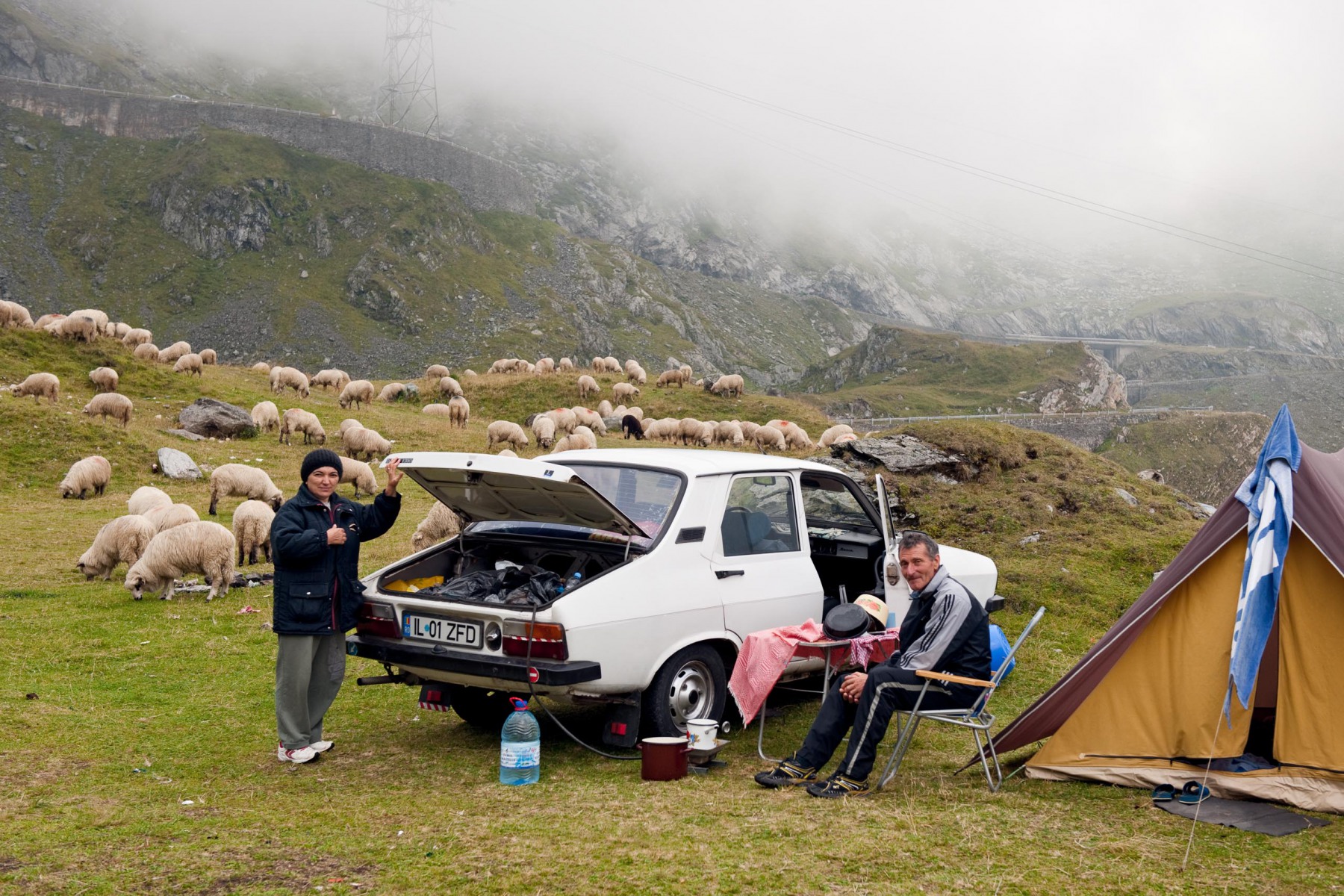
Despite frequent nausea in the back seat, due to poor road conditions and the simple suspension of the car, I loved riding in the Dacia. Whether it was searching for food in the next largest city, going to remote villages to stock the cellar for winter, picnicking in the Carpathians, or visiting friends and relatives – I always observed the passing world with great joy. Thanks to my travel-loving parents, I was able to get to know and experience nearly all of Romania from the Dacia during my childhood.
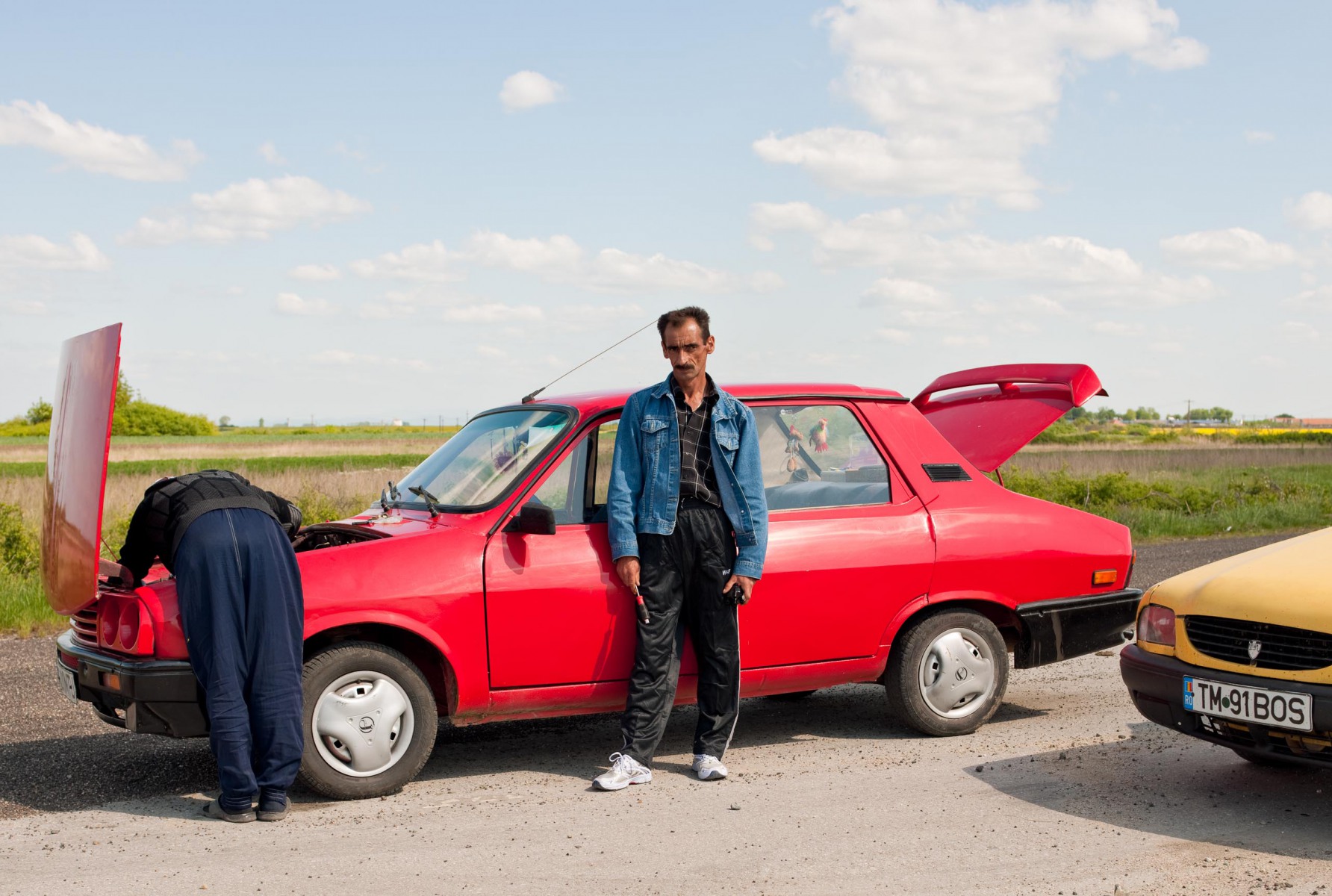
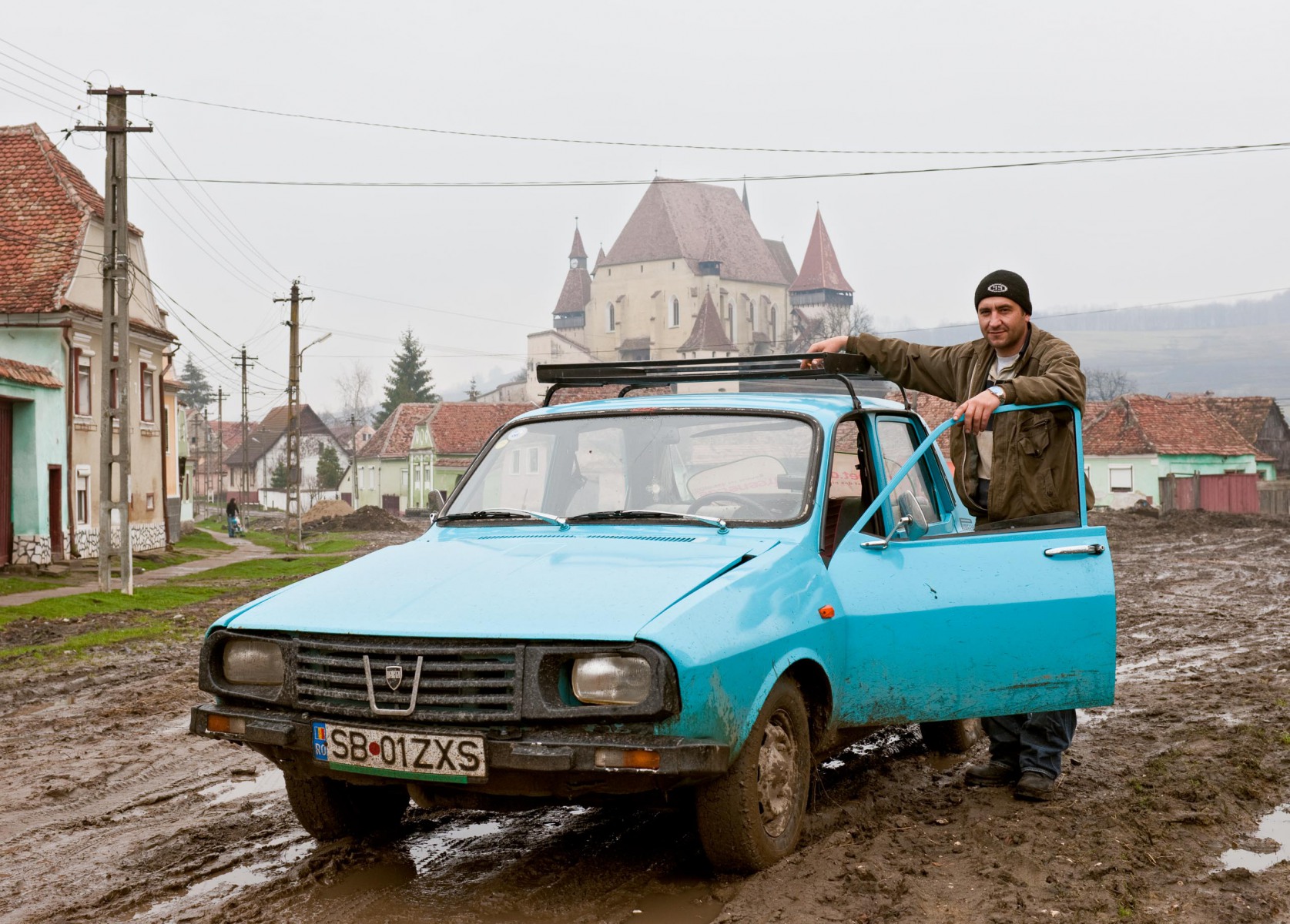
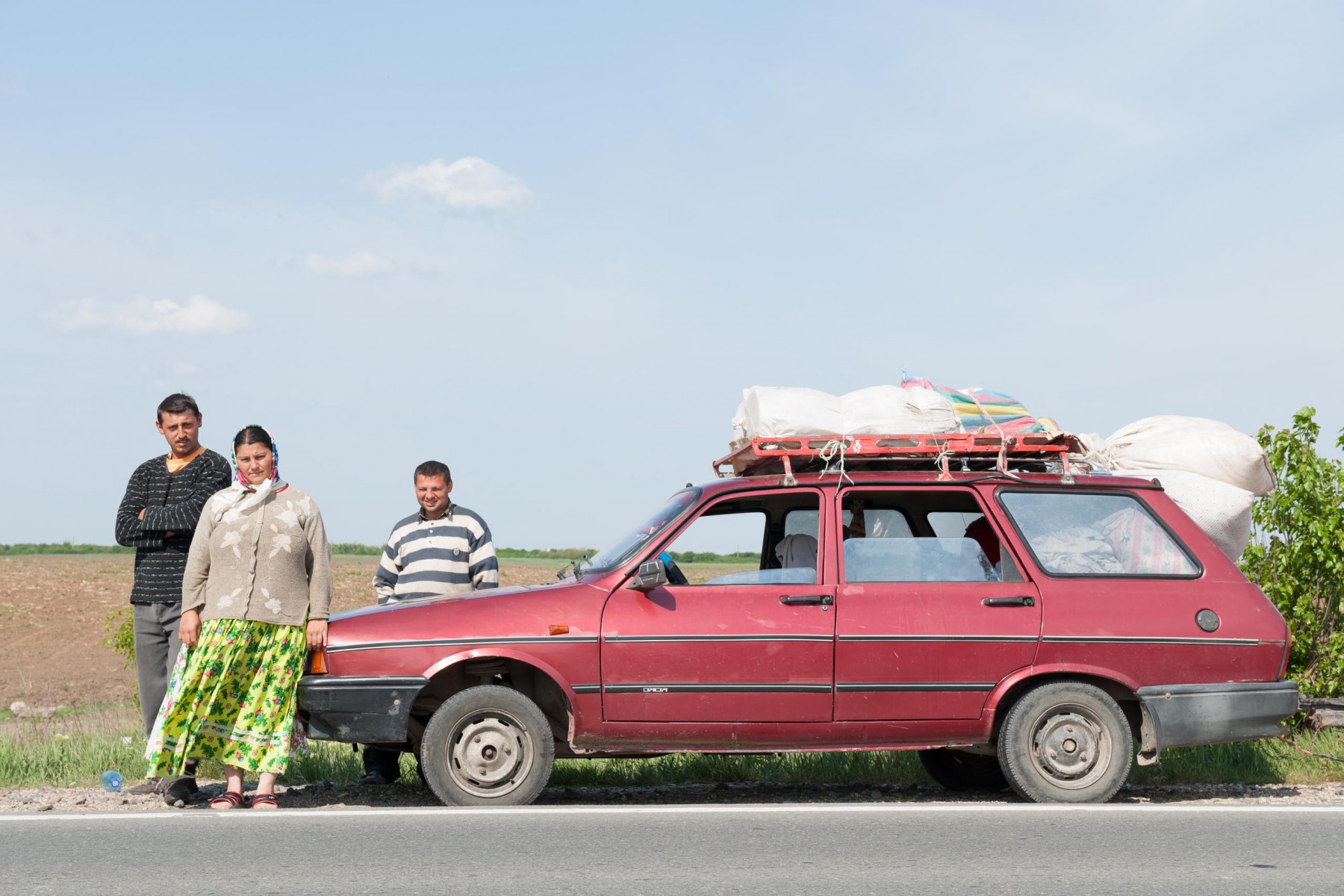
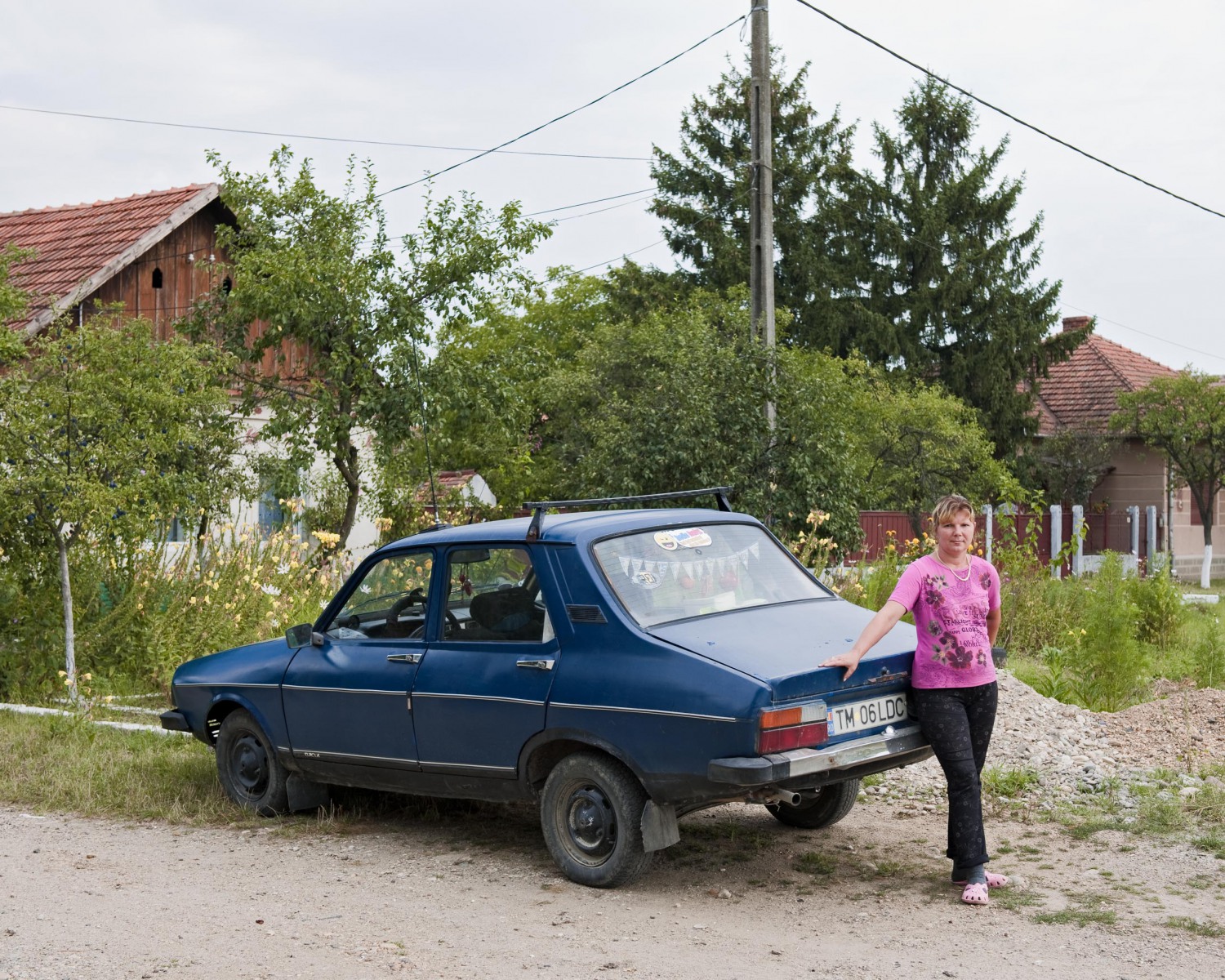
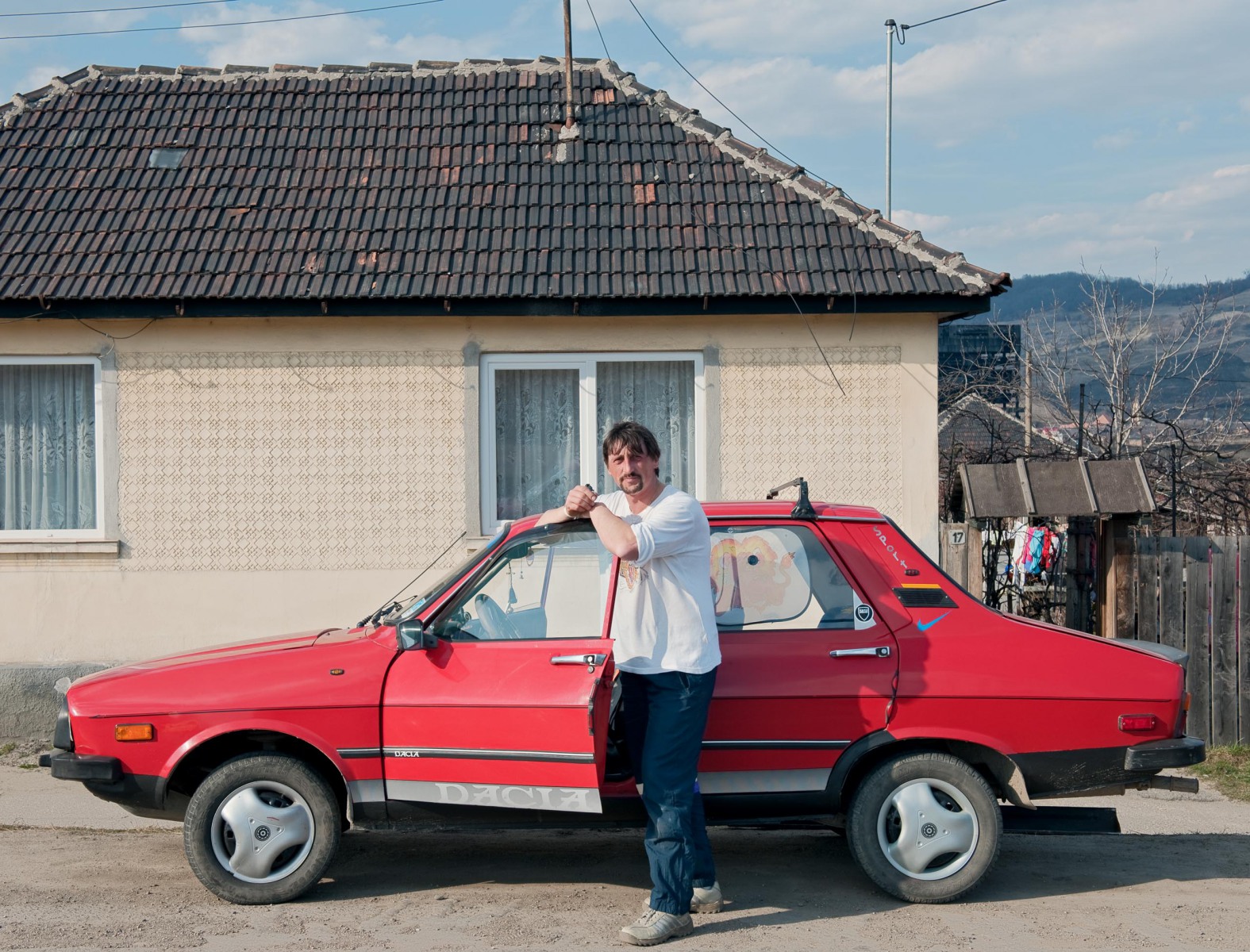
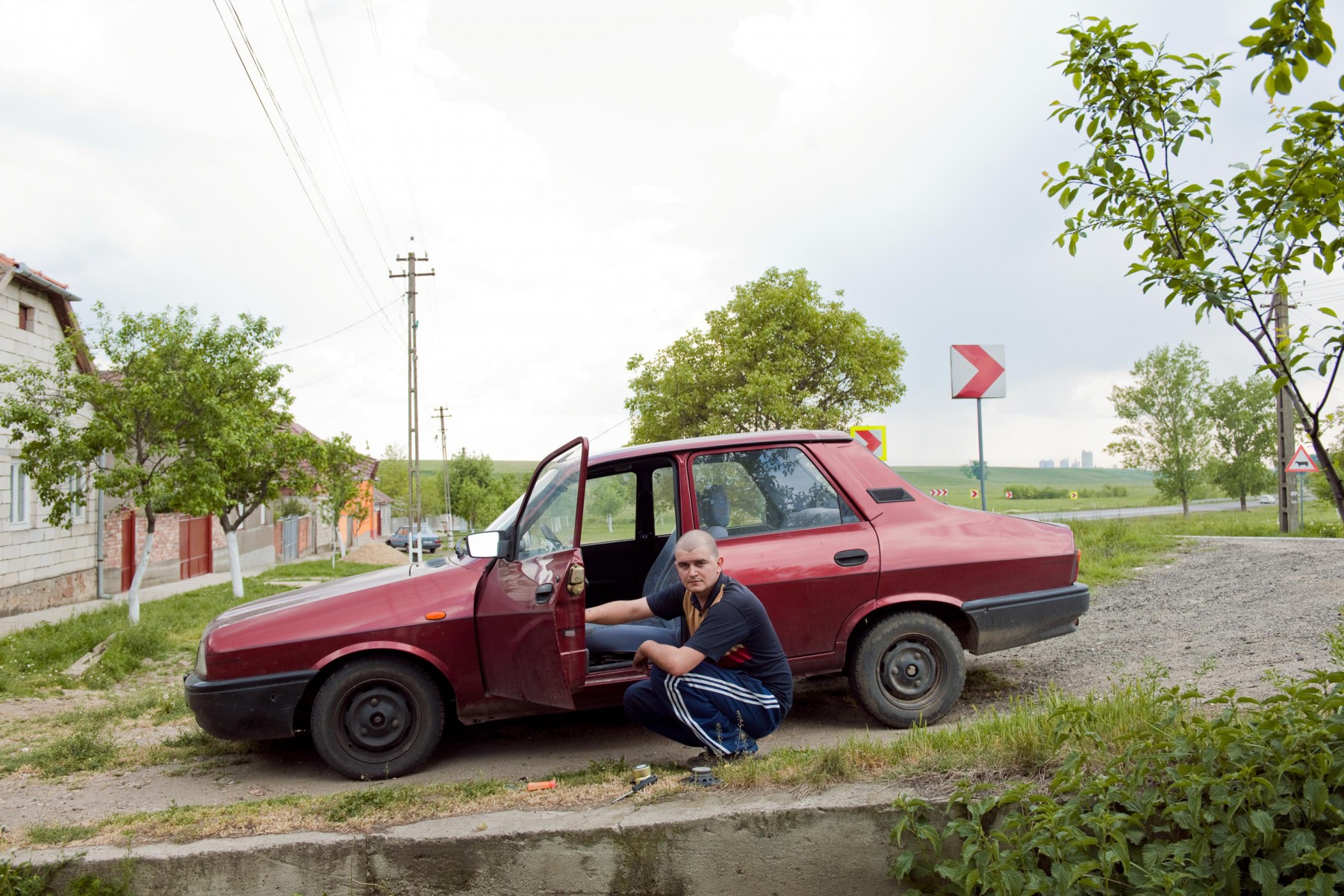
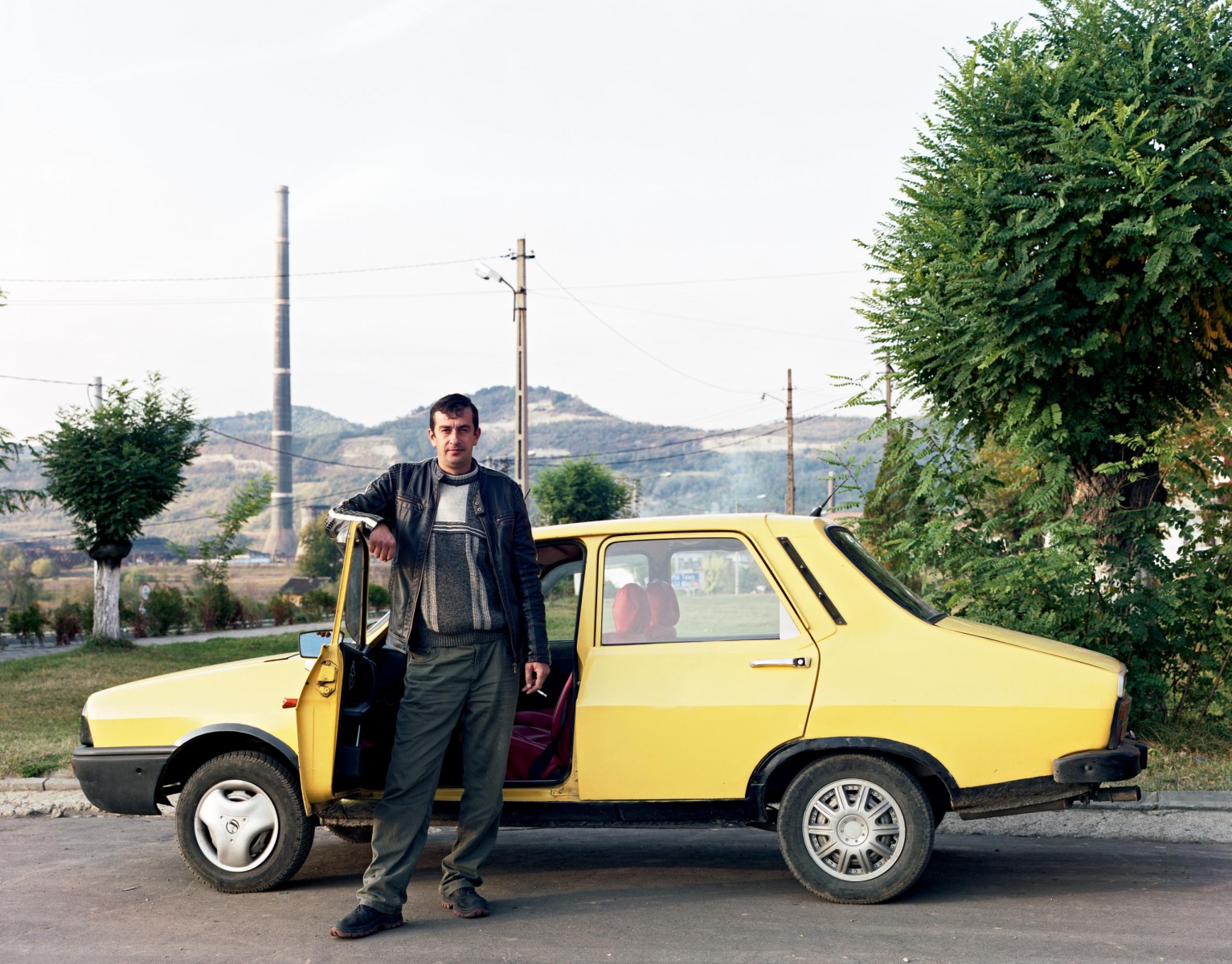
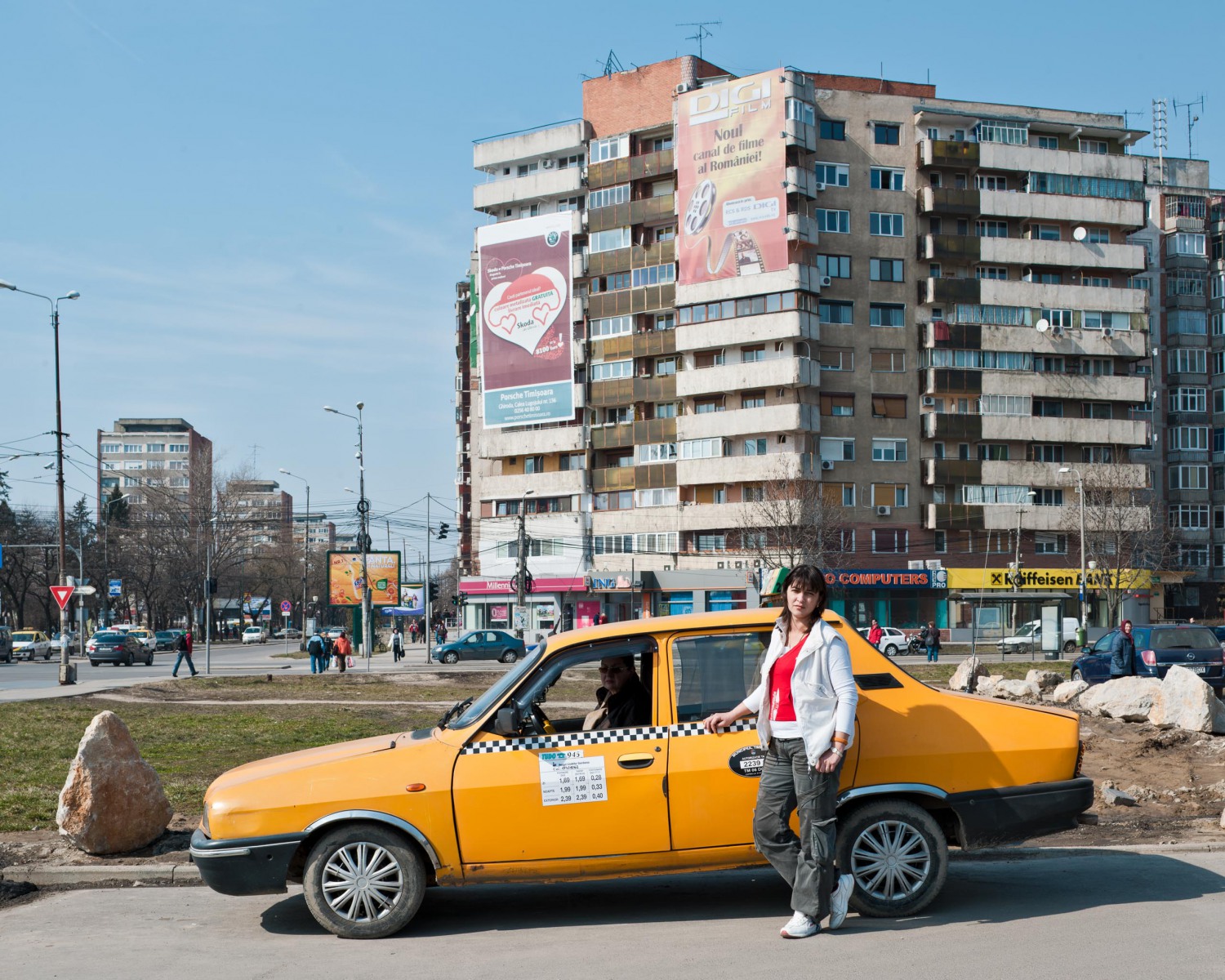
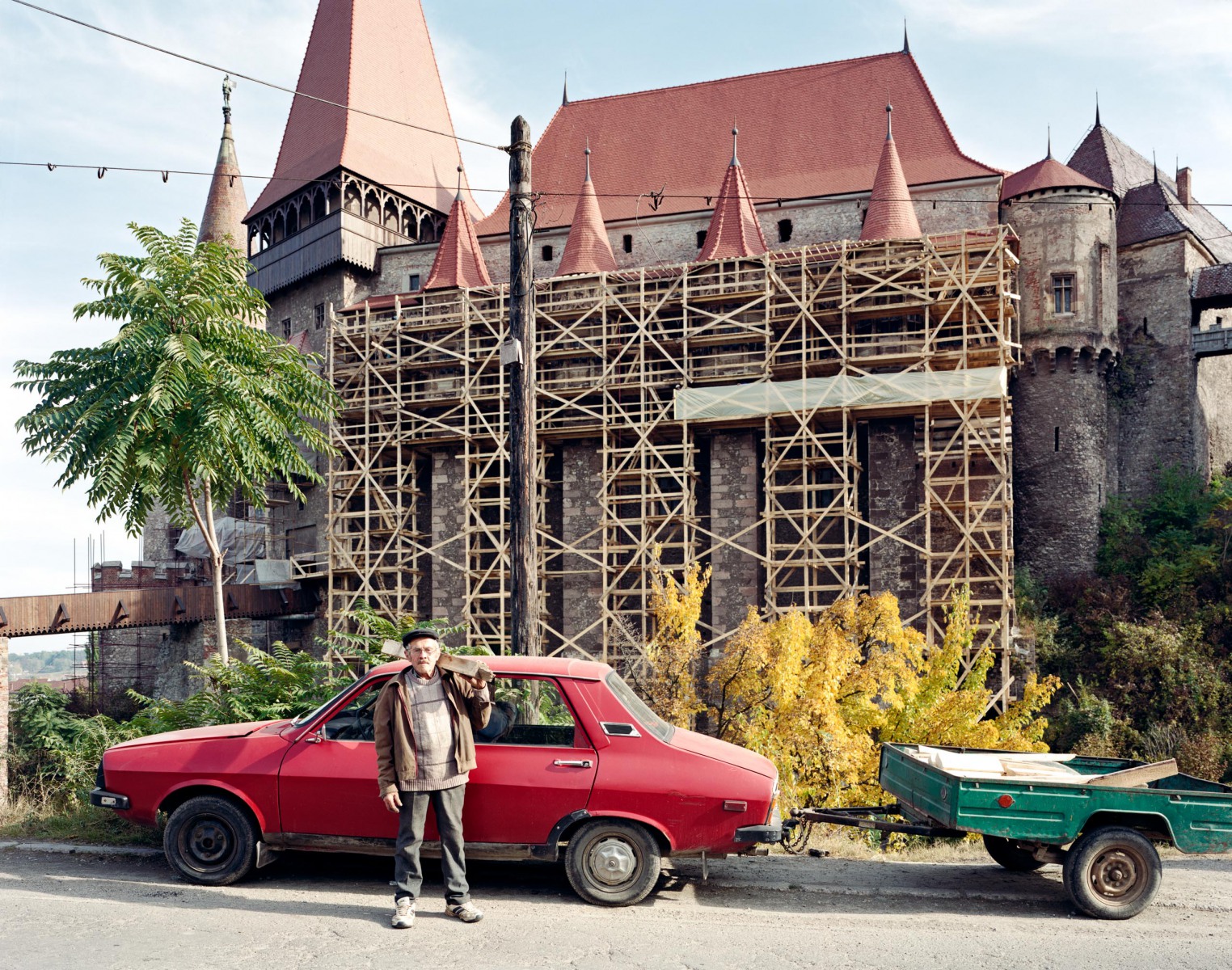
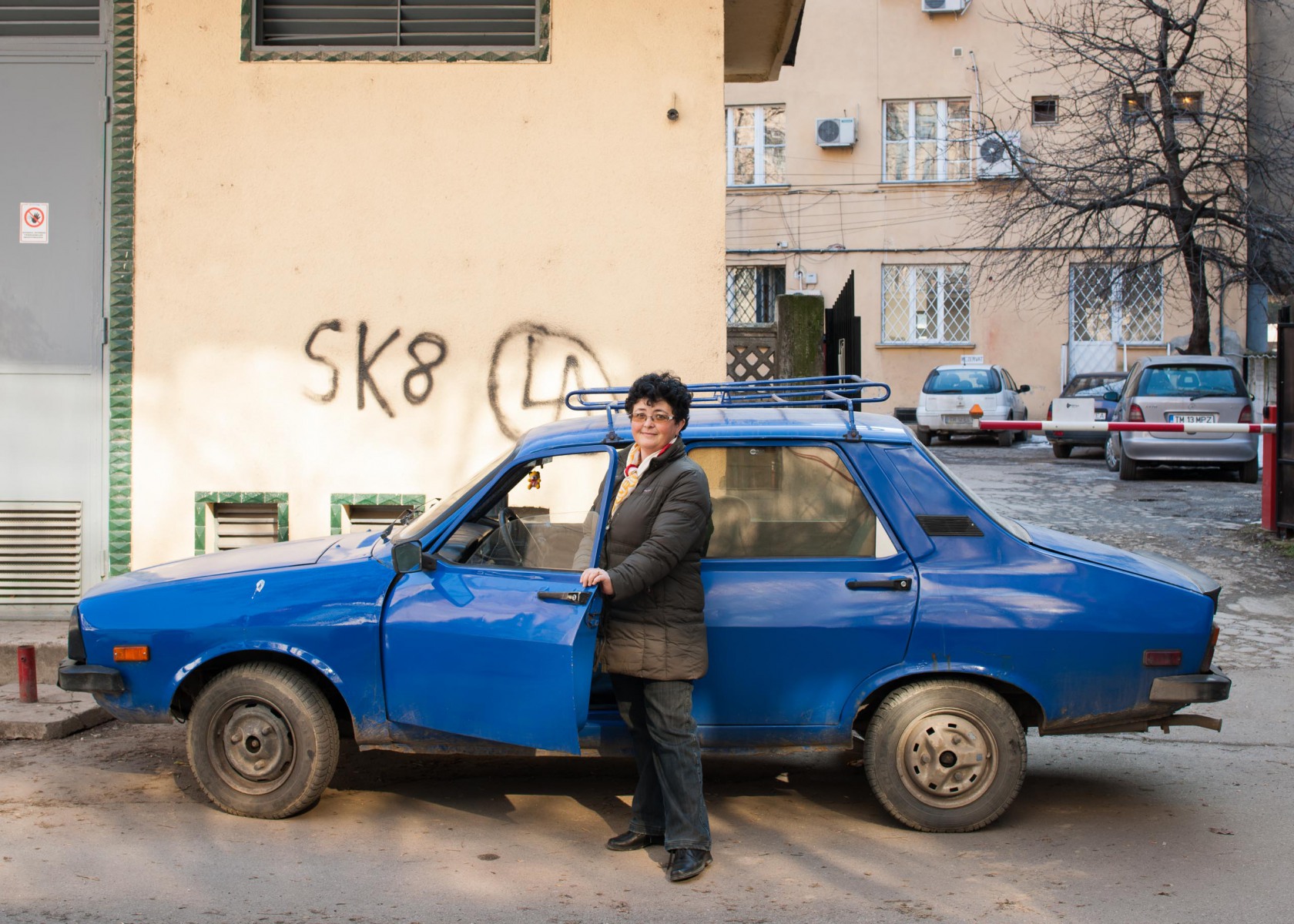
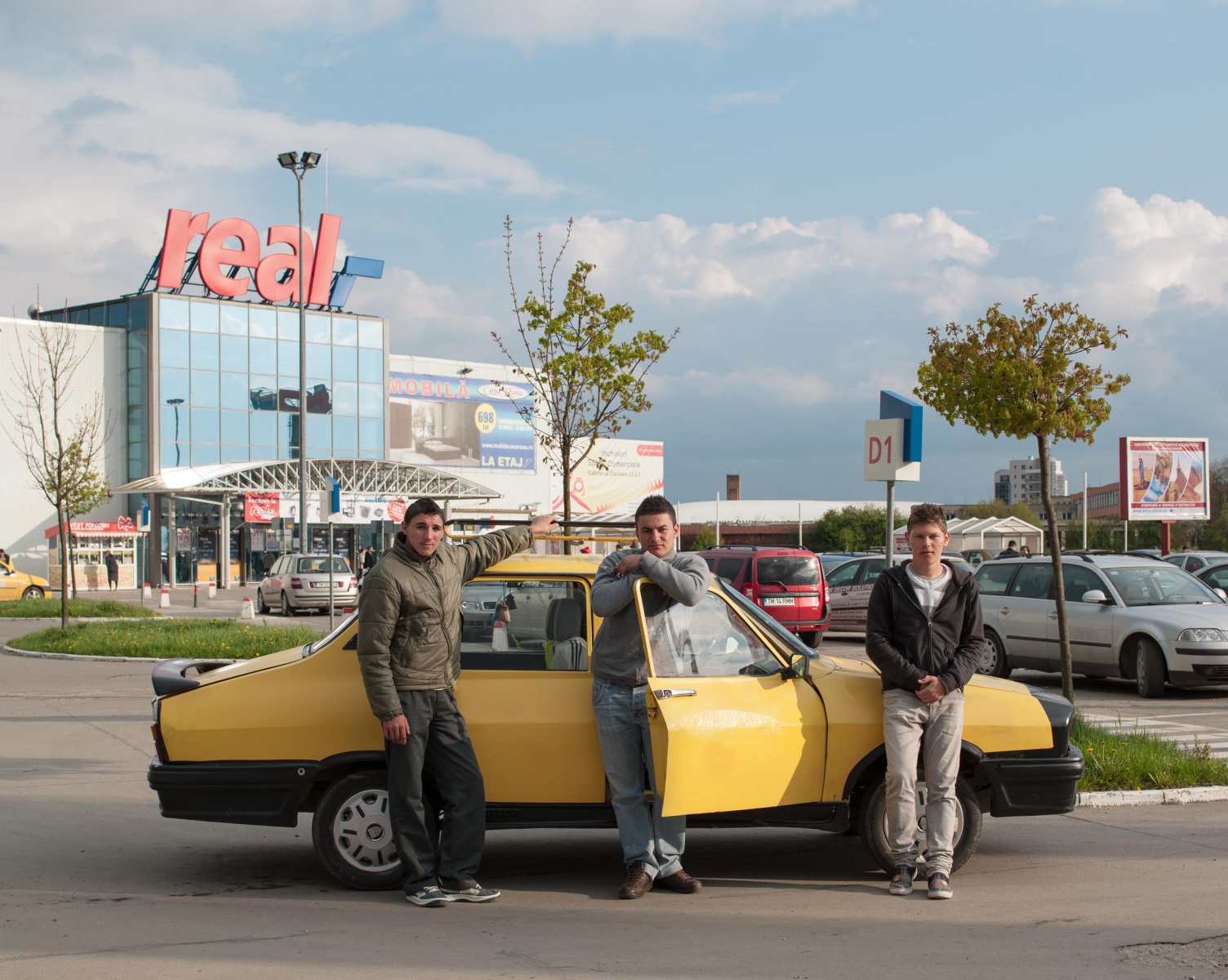
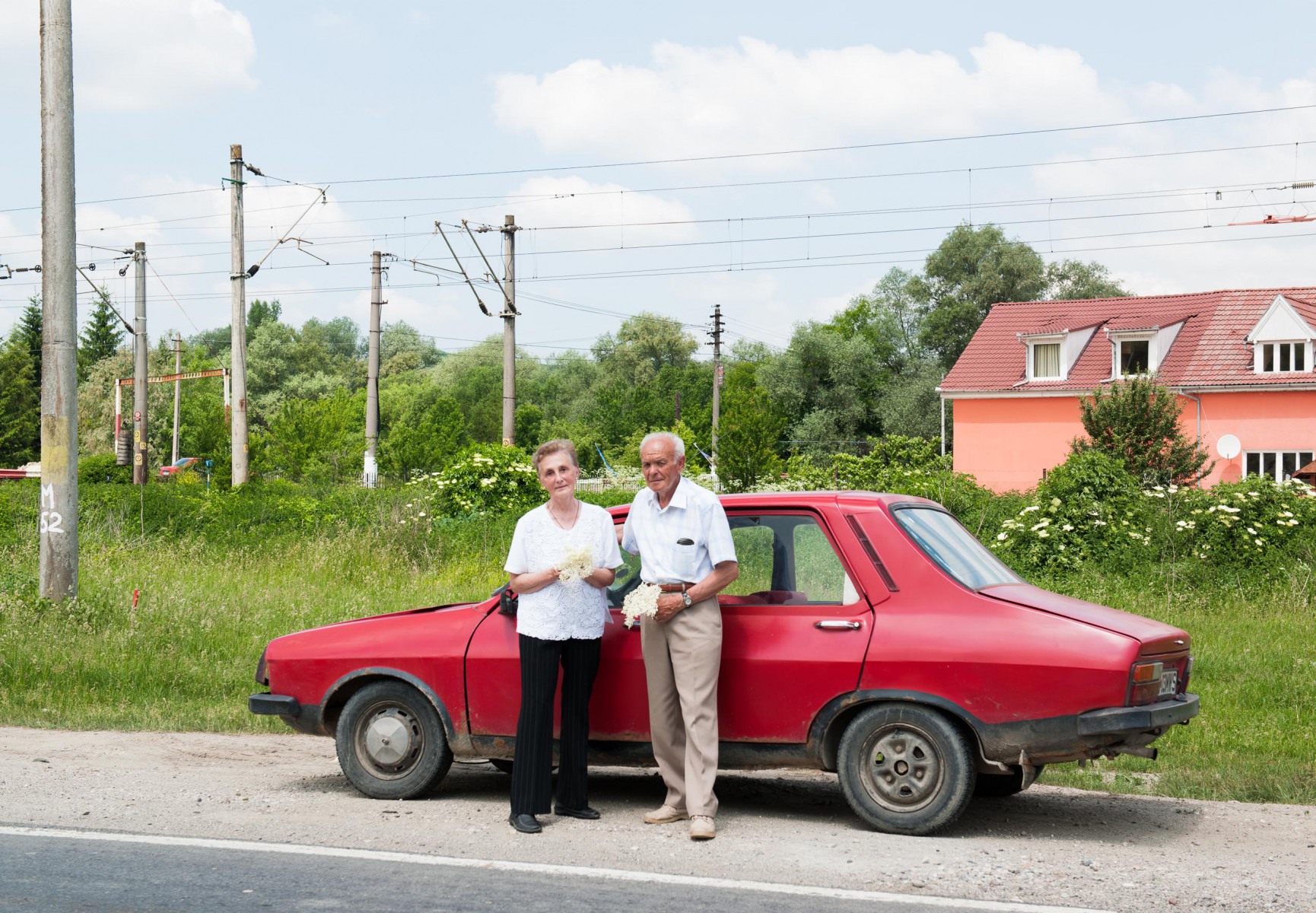
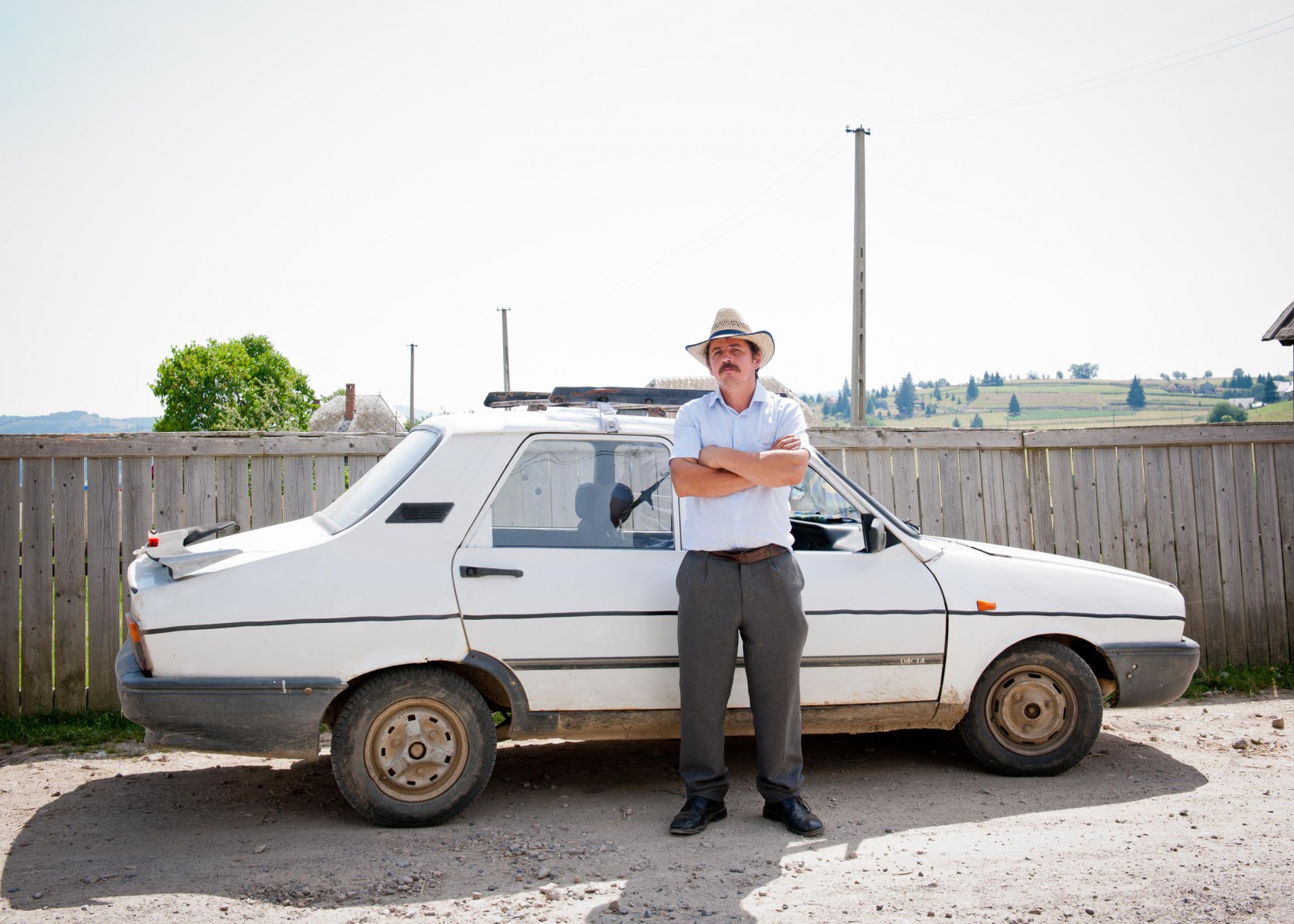
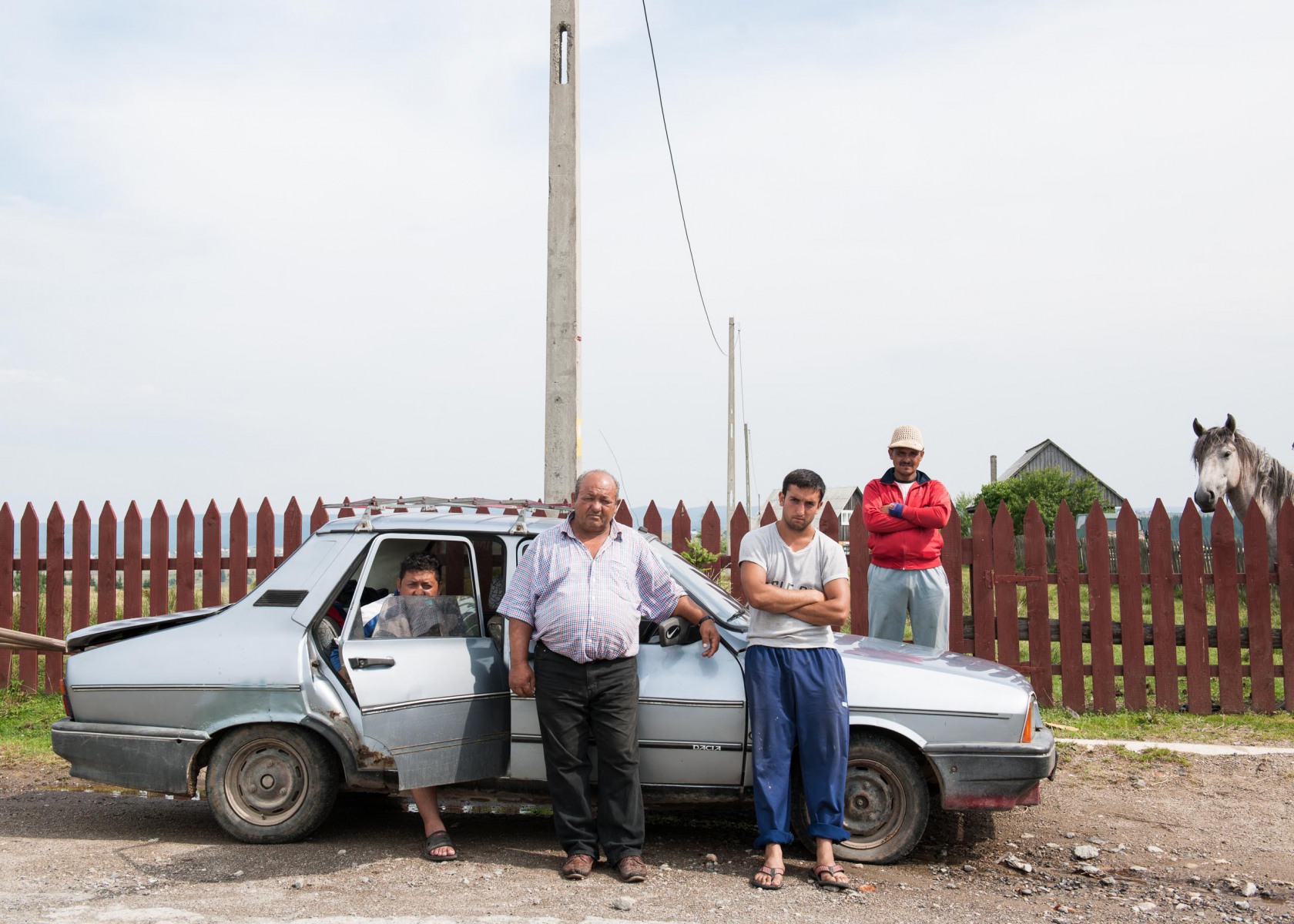
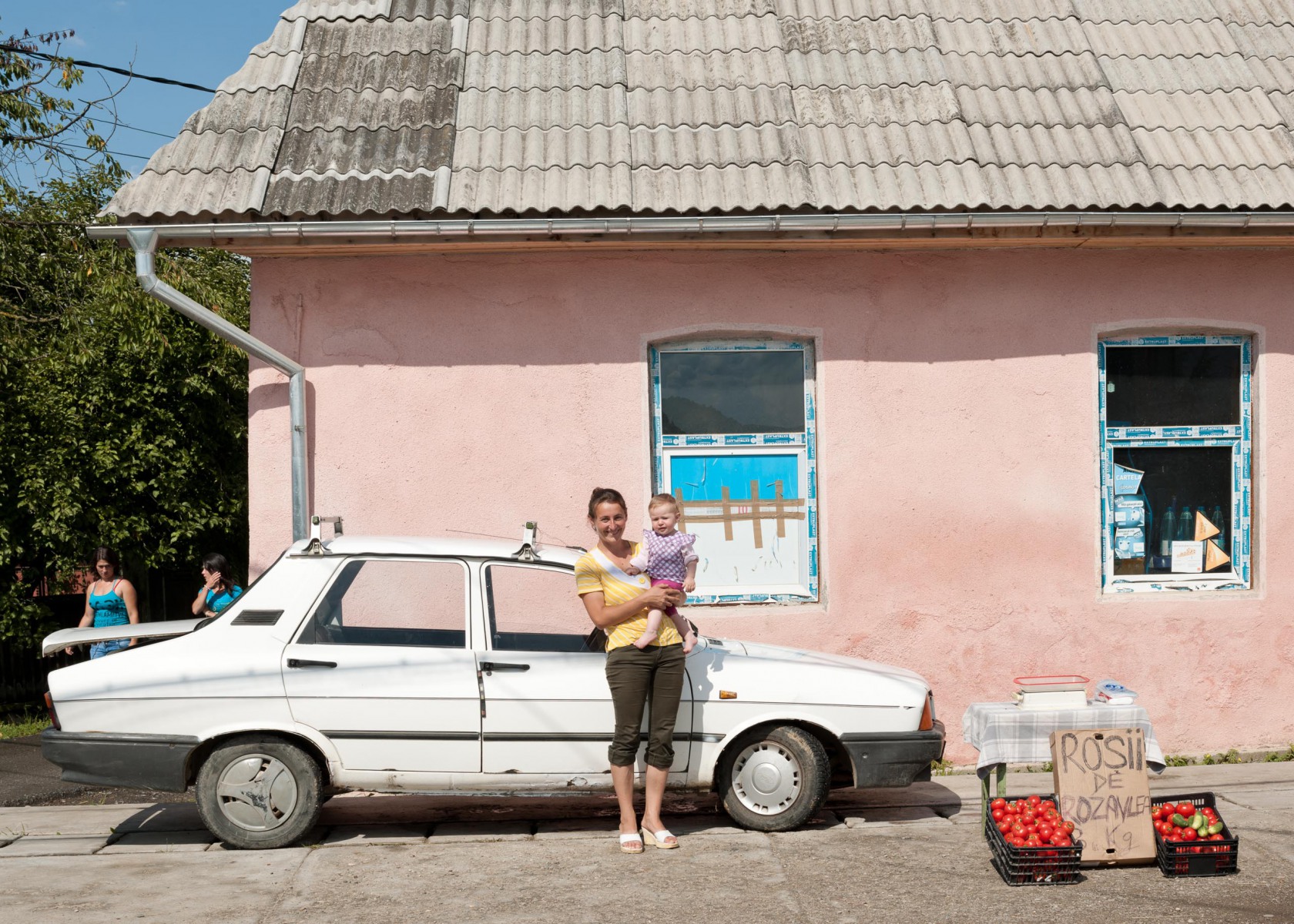
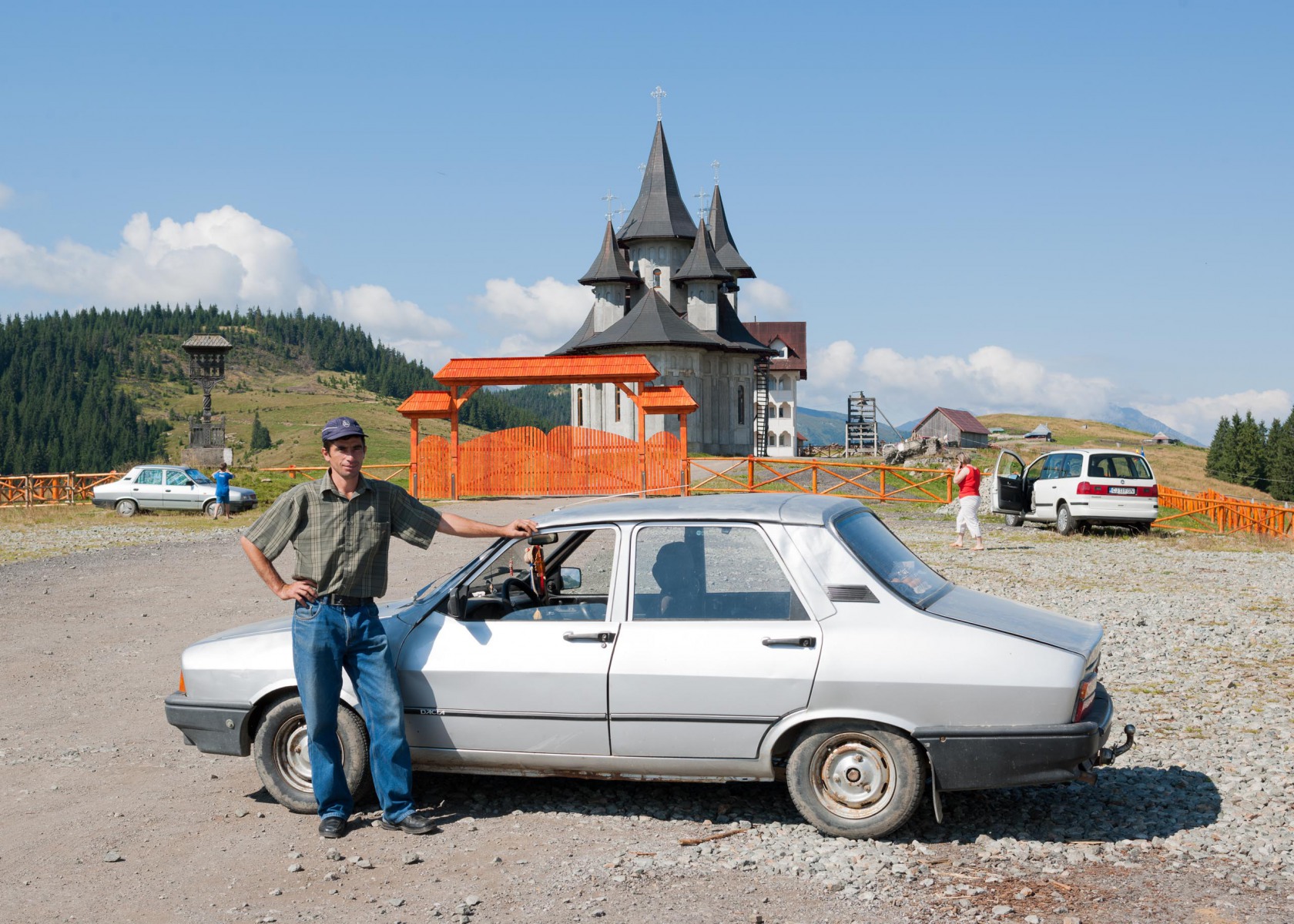
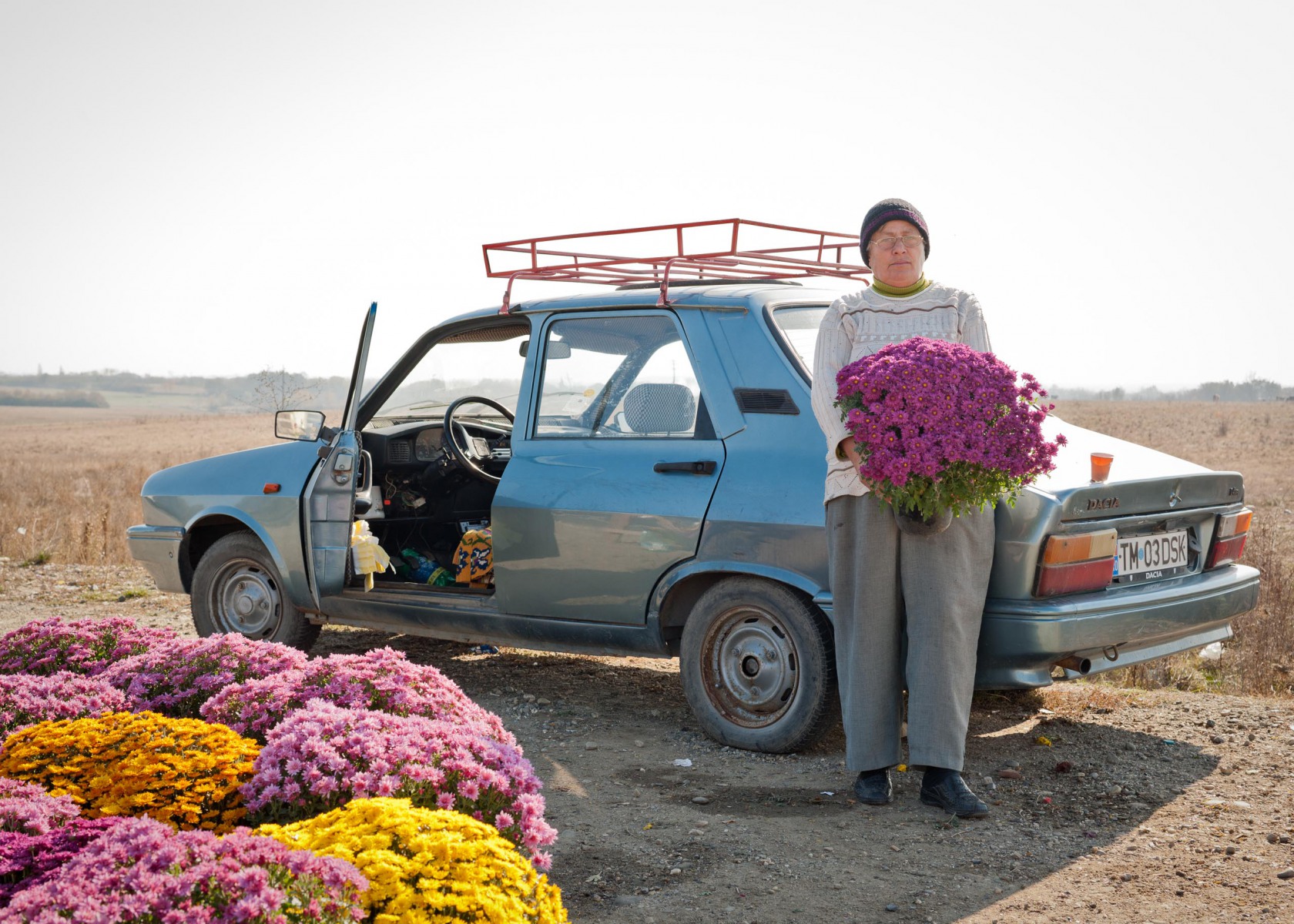
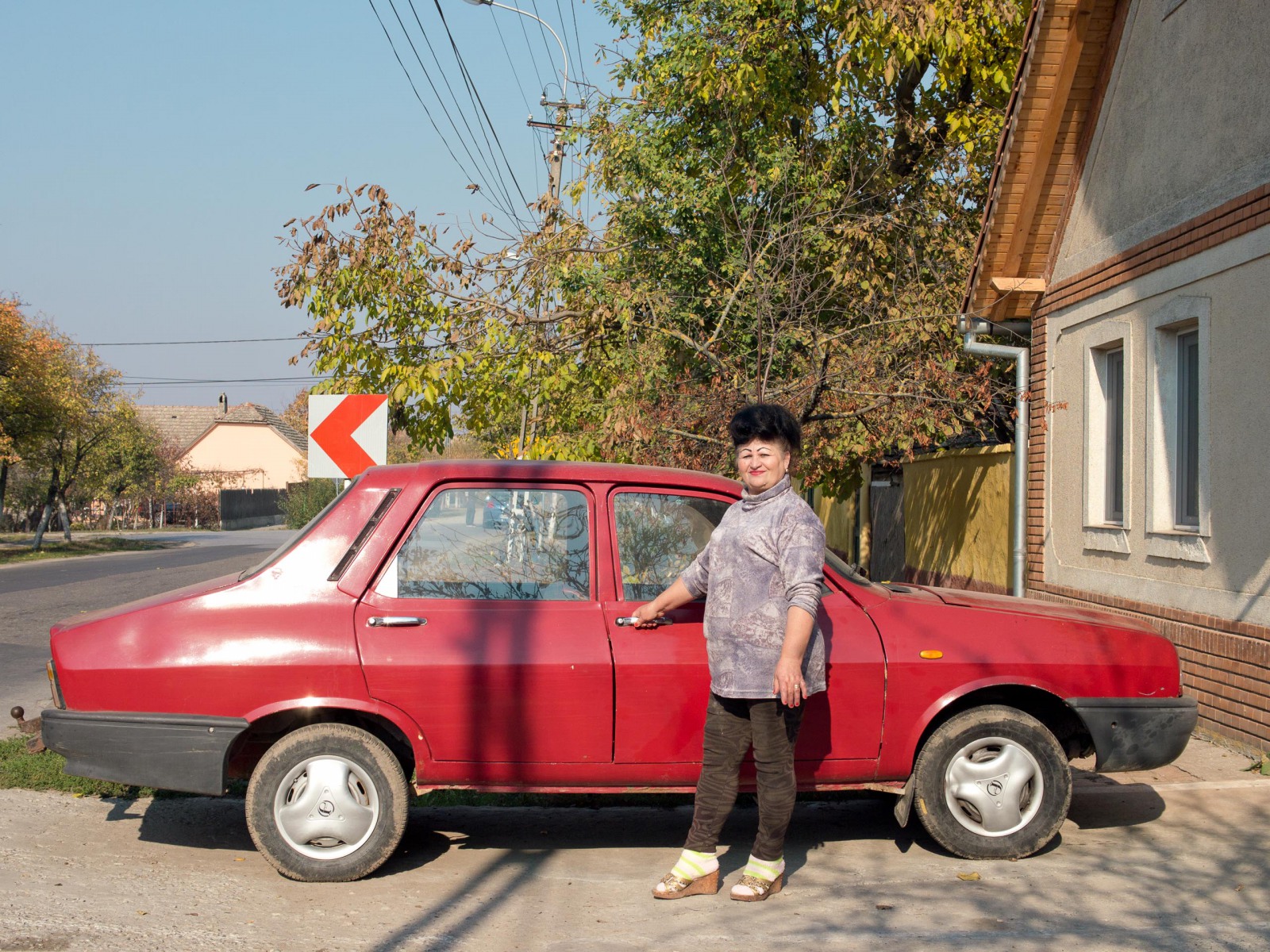
With the series “Dacia & Chauffeur,” I want to revive memories of a time of childlike utopia, in which at least through the vehicle a certain equality prevailed. It wasn’t the car itself that was the focus, but the destinations one reached with it – the friends visited, the places discovered, the shared experiences.
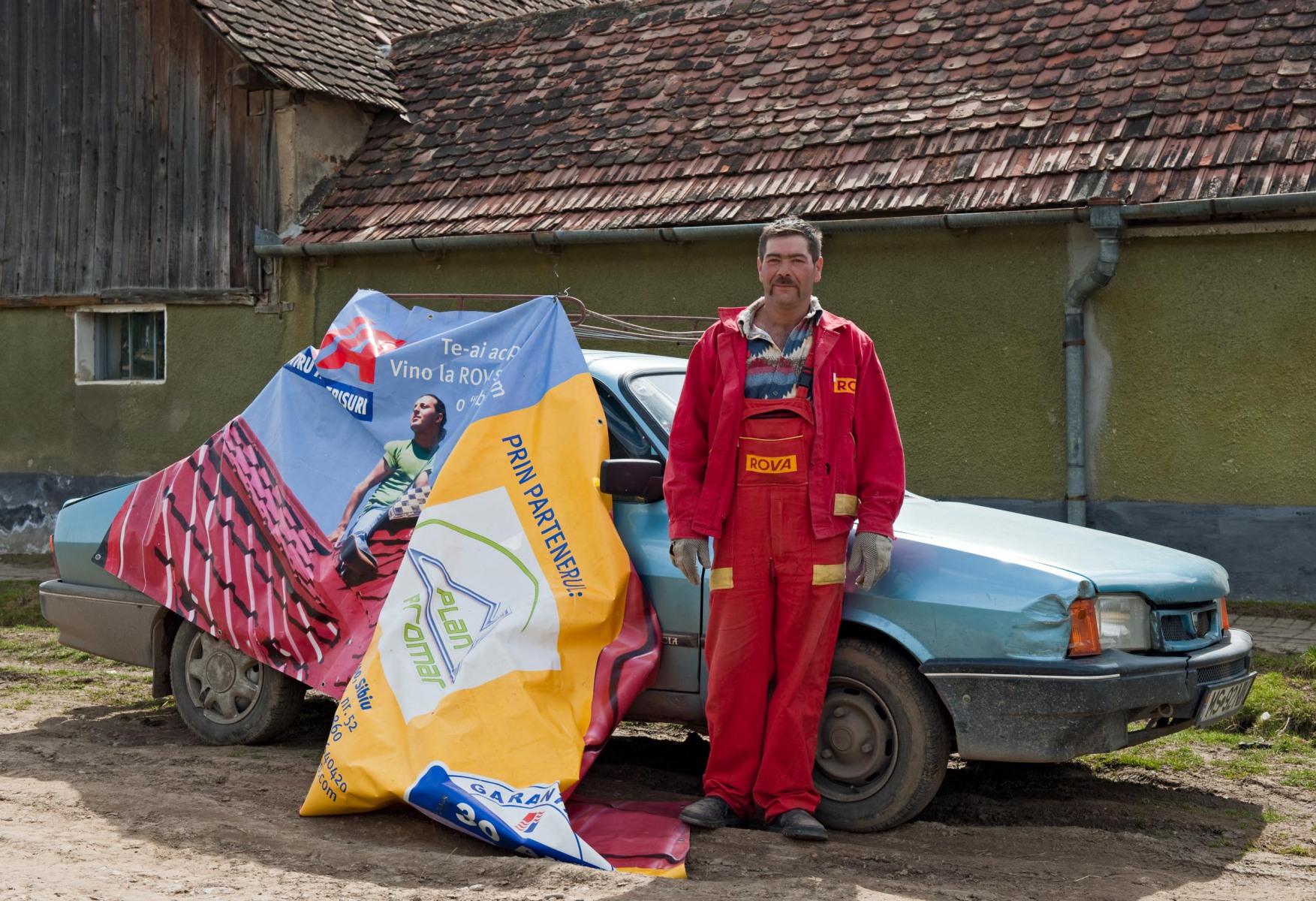
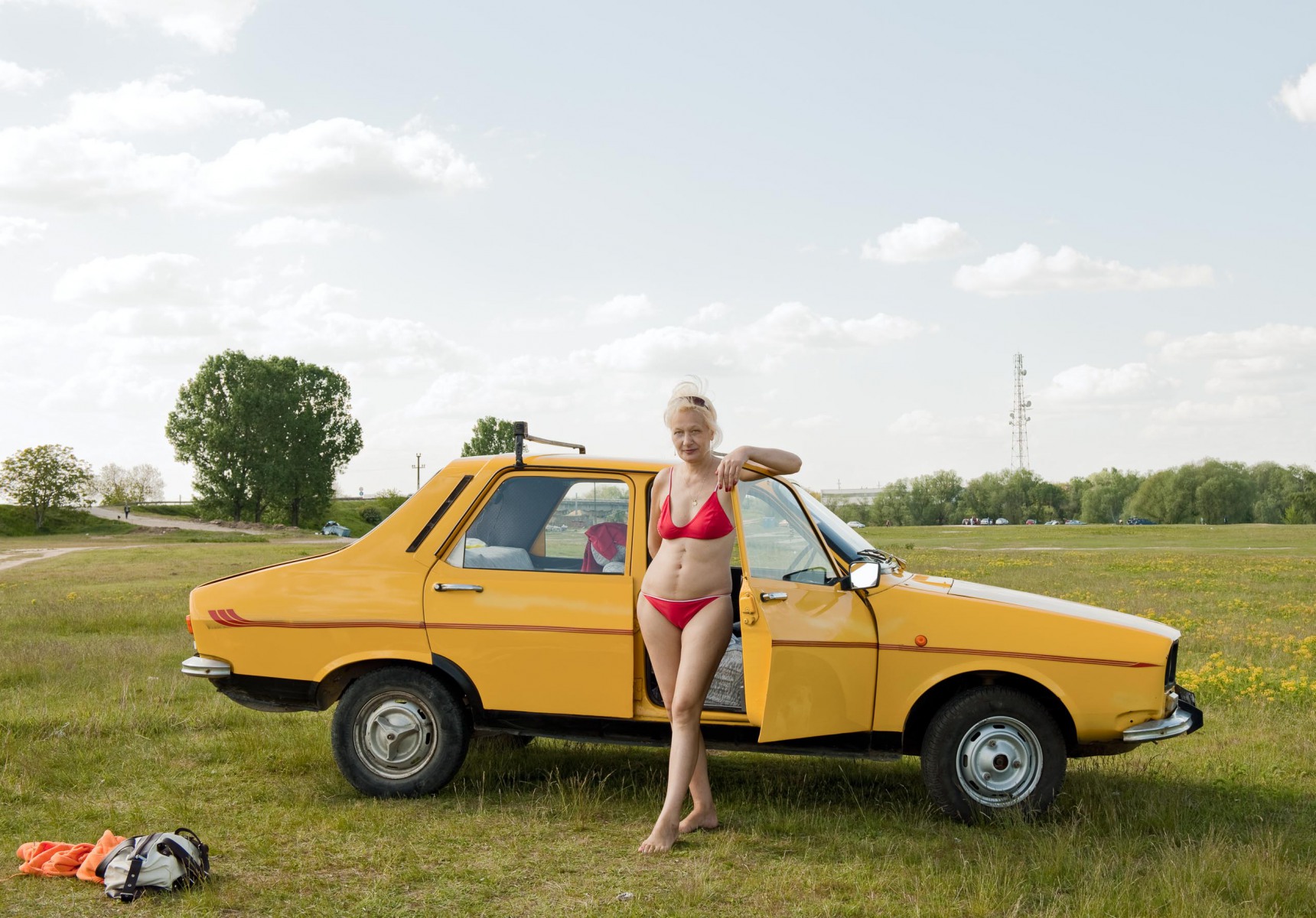
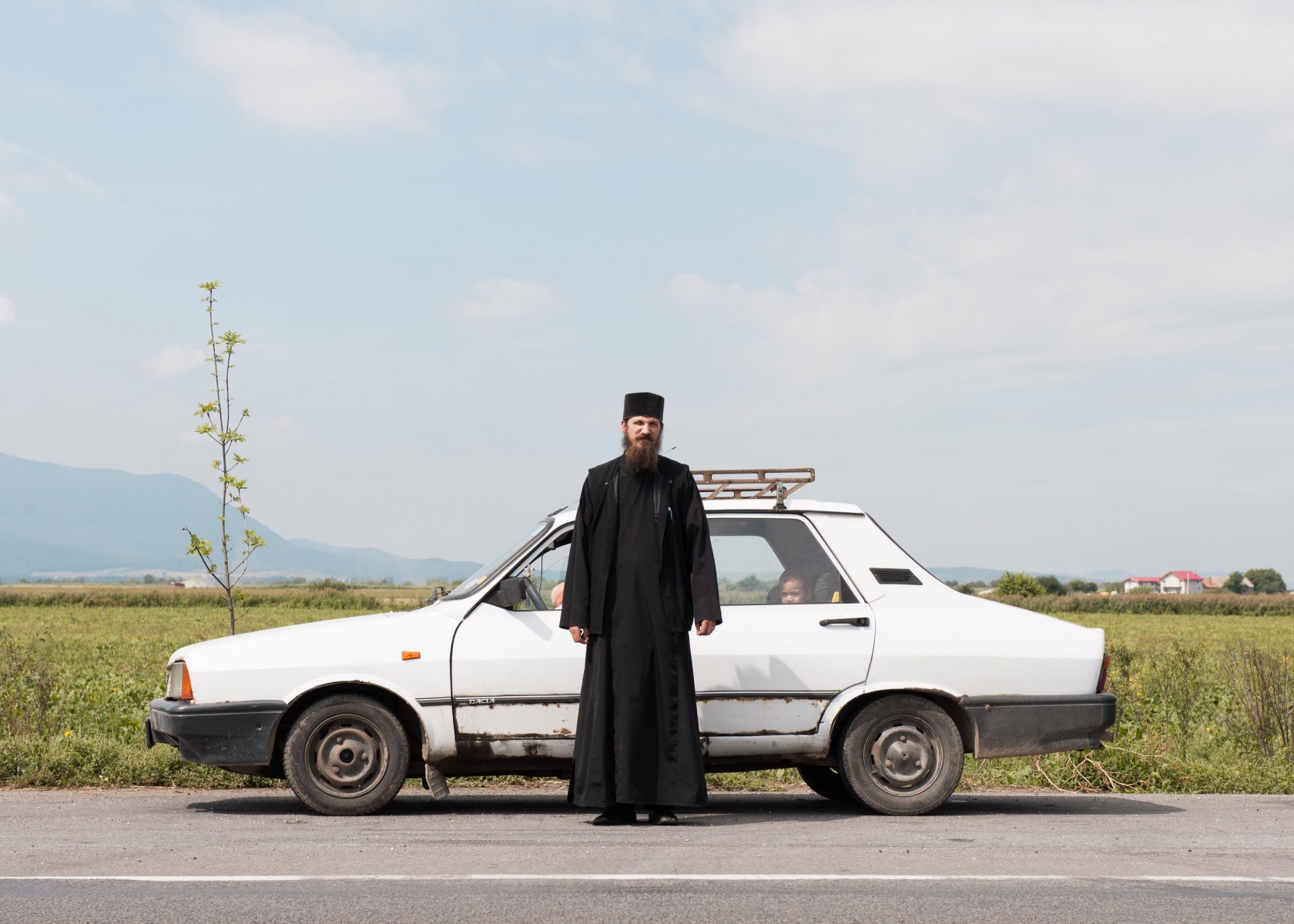
More than two decades after the 1989 revolution, these vehicles are still part of the Romanian streetscape. But their significance has changed: from a symbol of equality, they have become a sign of social differences – often the last available means of transportation for people with limited financial resources. My photo series deliberately puts the drivers in the spotlight. They are the true protagonists who maintain their aging vehicles with dignity and ingenuity. I pay them respect and recognition with my images.
All Dacia & Driver images, Transylvania and Banat, 2009 to 2013
Dacia was a region in present-day Romania during pre-Christian times and home to the Dacian people. It was conquered by the Romans in the first century and incorporated into the Roman Empire as the Imperial Province of “Dacia.”
This name was given to the automobile that dominated Romania’s streets during the socialist-communist era, which was nothing more than a licensed copy of the Renault 12, manufactured in Pitești from 1969. In the 1980s, a remarkable 90% of all passenger cars on Romania’s roads were Dacias. The vehicle became a symbol of apparent equality in socialist society – an equality that was also manifested in the long waiting periods of up to three years that one had to endure to acquire a new car.
Of course, my parents also owned a Dacia. When it was sold after four or five years, another Dacia inevitably followed – only the color of the bodywork and interior seats offered variety: sometimes white, sometimes dark green, sometimes butter yellow or red. After the purchase, the loving personalization always began: A Western car radio was installed, the bodywork decorated with selected Western decals, and a cross or Jesus figure was usually found on the rearview mirror. Our special pride was a mascot that my father had brought from the West in the 70s, which adorned several of our Dacias in succession. These personal details were what ultimately distinguished the Dacias from one another.
Despite frequent nausea in the back seat, due to poor road conditions and the simple suspension of the car, I loved riding in the Dacia. Whether it was searching for food in the next largest city, going to remote villages to stock the cellar for winter, picnicking in the Carpathians, or visiting friends and relatives – I always observed the passing world with great joy. Thanks to my travel-loving parents, I was able to get to know and experience nearly all of Romania from the Dacia during my childhood.
With the series “Dacia & Chauffeur,” I want to revive memories of a time of childlike utopia, in which at least through the vehicle a certain equality prevailed. It wasn’t the car itself that was the focus, but the destinations one reached with it – the friends visited, the places discovered, the shared experiences.
More than two decades after the 1989 revolution, these vehicles are still part of the Romanian streetscape. But their significance has changed: from a symbol of equality, they have become a sign of social differences – often the last available means of transportation for people with limited financial resources. My photo series deliberately puts the drivers in the spotlight. They are the true protagonists who maintain their aging vehicles with dignity and ingenuity. I pay them respect and recognition with my images.
All Dacia & Driver images, Transylvania and Banat, 2009 to 2013